
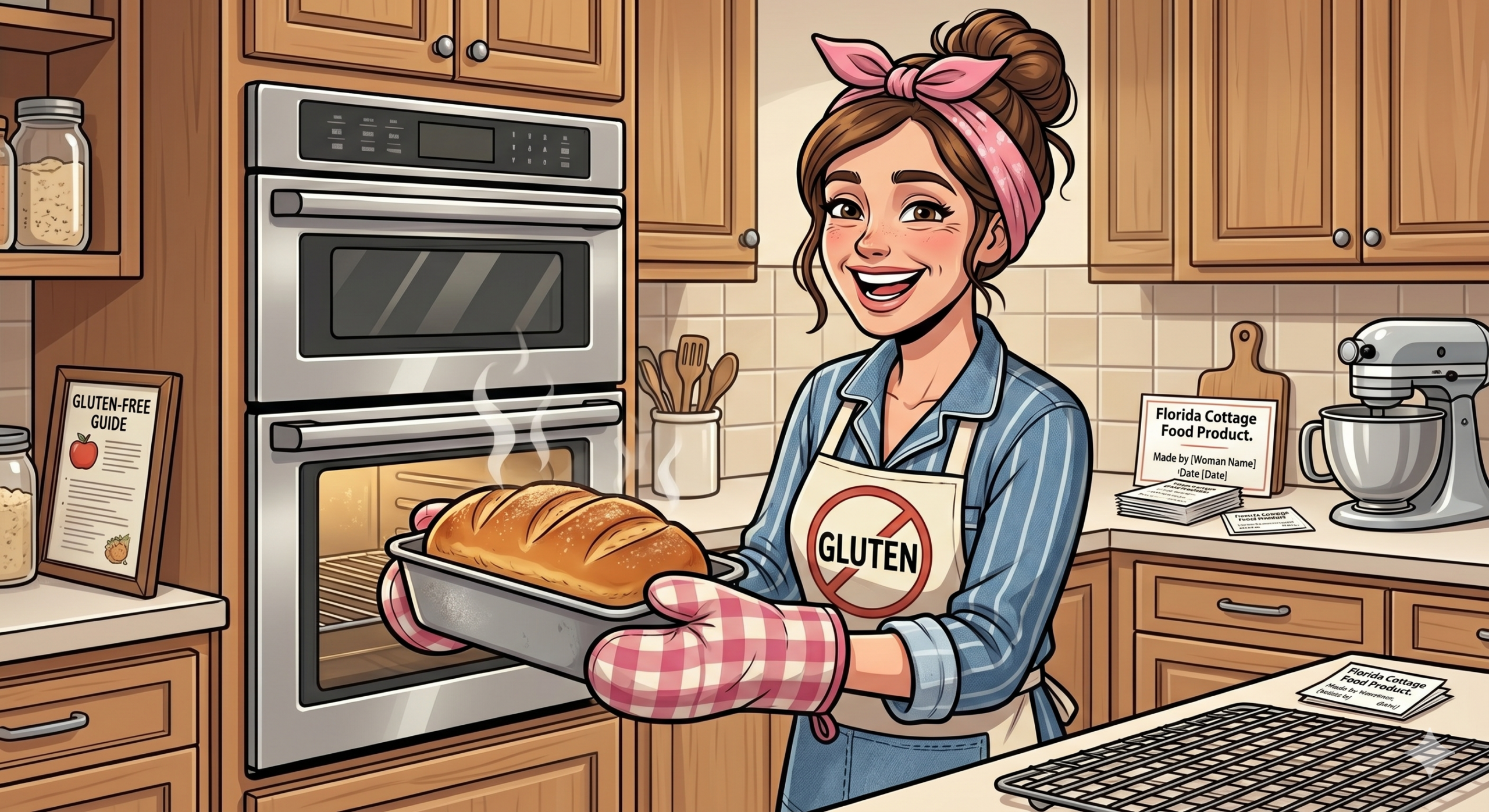
Essential Gluten-Free Baking Tips
Gluten-free baking can feel like trying to build a house without nails. At first, things crumble, textures surprise you, and recipes don’t behave the way you expect. But once you understand the structure behind gluten-free ingredients, baking transforms from frustrating to empowering. Whether you’re living with celiac disease or simply avoiding gluten, mastering a few essentials will help you create baked goods that are just as satisfying as their traditional counterparts.
Why Gluten-Free Baking Is Different
Gluten acts like the invisible scaffolding in baked goods. Without it, you need alternative ingredients to provide structure, moisture, and elasticity. That’s where gluten-free flours, binders, and techniques step in to save the day.
7 Ideas to Live Well with Celiac Disease
1. Choose the Right Flour Blend
Not all gluten-free flours are created equal. A good blend often includes rice flour, potato starch, and tapioca flour. Pre-mixed blends are a great starting point for consistent results.
2. Add Binders for Structure
Since gluten is missing, ingredients like xanthan gum or psyllium husk help hold everything together. Think of them as the glue in your baking masterpiece.
3. Measure Carefully
Gluten-free baking is less forgiving than traditional baking. Use precise measurements, preferably with a kitchen scale, to avoid dense or crumbly results.
4. Embrace Moisture
Gluten-free baked goods tend to dry out faster. Ingredients like yogurt, applesauce, or extra eggs can help maintain a soft, tender texture.
5. Avoid Cross-Contamination
Even a small amount of gluten can trigger symptoms. Use clean equipment, separate storage, and dedicated baking tools when possible.
6. Experiment with Recipes
Don’t be afraid to try new recipes and tweak them. Gluten-free baking often requires a little trial and error before perfection is achieved.
7. Think Beyond the Kitchen
Gluten can hide in unexpected places like lip balms, medications, and even kitchen surfaces. Staying aware helps you maintain a truly gluten-free lifestyle.
Tips for Better Gluten-Free Baking
- Let batter rest: Gluten-free flours absorb liquid slowly. Letting your batter sit for 15–30 minutes improves texture.
- Use room temperature ingredients: This helps everything blend more evenly.
- Don’t skip the eggs: They provide structure and moisture in many recipes.
- Check doneness carefully: Gluten-free baked goods can look done before they actually are.
- Store properly: Keep baked goods in airtight containers to prevent drying out.
- Mix thoroughly: Unlike traditional baking, overmixing is less of a concern here.
Gluten-Free Bread Recipe Resources
🍞 https://www.glutenfreeonashoestring.com/gluten-free-bread-recipe/
A reliable, budget-friendly recipe that produces soft and sliceable gluten-free bread.
🍞 https://www.kingarthurbaking.com/recipes/gluten-free-sandwich-bread-recipe
A trusted classic with step-by-step guidance for beginners and experienced bakers alike.
🍞 https://minimalistbaker.com/easy-gluten-free-bread/
Simple, approachable recipes with minimal ingredients and great flavor.
🌾 https://www.bobsredmill.com/gluten-free-1-to-1-baking-flour.html
A go-to gluten-free flour blend that works as a direct replacement for wheat flour in many recipes, making baking easier and more consistent.
Frequently Asked Questions
Why is my gluten-free bread so dense?
This usually happens بسبب too much flour or not enough moisture. It can also mean you need more leavening or a better flour blend.
Can I substitute regular flour with gluten-free flour directly?
Sometimes, but not always. A 1-to-1 gluten-free flour blend works best for direct substitution, but recipes specifically designed for gluten-free baking yield better results.
Do I need xanthan gum in every recipe?
Not always. Some recipes work without it, especially those using eggs or other natural binders. However, it’s often essential for breads and cakes.
Why does gluten-free bread need more moisture?
Without gluten, baked goods lack elasticity and tend to dry out. Extra moisture helps create a softer texture.
How do I keep gluten-free baked goods fresh?
Store them in airtight containers and consider refrigerating or freezing for longer shelf life.
Is gluten-free baking healthier?
Not necessarily. It depends on the ingredients used. Whole, nutrient-dense flours like almond or oat flour can be healthier options.
Can I bake gluten-free without eggs?
Yes, but you’ll need substitutes like flax eggs or chia seeds. Keep in mind that texture and structure may vary.
Final Thoughts
Gluten-free baking is part science, part art, and a little bit of kitchen magic. Once you understand how ingredients work together, you’ll be able to create breads, cakes, and treats that feel anything but “missing something.” With practice, patience, and a well-stocked pantry, your gluten-free kitchen can become a place where every recipe rises to the occasion.