
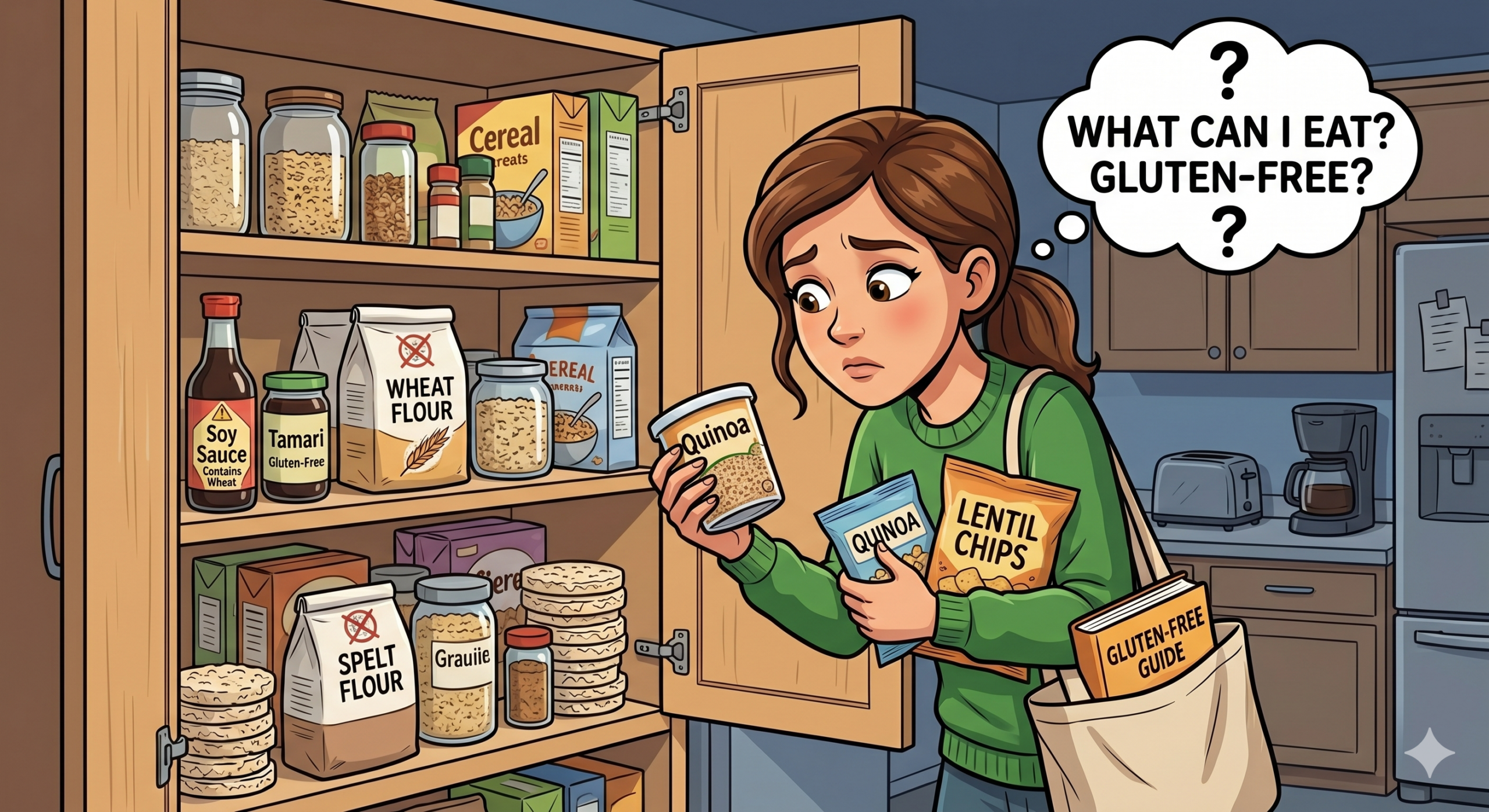
Living gluten-free can feel like stepping into a world where labels matter more than ever and bread becomes a strategic decision. Whether you’ve been diagnosed with celiac disease or are choosing a gluten-free lifestyle for health reasons, understanding the basics is the key to thriving—not just surviving.
What Is Gluten-Free Living?
Gluten is a protein found in wheat, barley, and rye. For people with celiac disease, consuming gluten triggers an immune response that damages the small intestine. That means going gluten-free isn’t a trend—it’s a necessity. The good news? With the right habits, gluten-free living becomes second nature.
7 Ideas to Live Well with Celiac Disease
1. Master the Art of Label Reading
Ingredients can be sneaky. Look beyond “wheat” and watch for hidden gluten sources like malt, brewer’s yeast, and modified food starch. Certified gluten-free labels are your safest bet.
2. Build a Go-To Grocery List
Stock your kitchen with naturally gluten-free staples: rice, quinoa, potatoes, beans, eggs, fruits, and vegetables. These foods are your foundation—simple, safe, and versatile.
3. Create a Safe Kitchen Space
Cross-contamination is a real risk. Use separate toasters, cutting boards, and utensils if you live with gluten-eaters. Even a crumb can cause issues.
4. Learn to Navigate Restaurants
Eating out doesn’t have to be stressful. Check menus online, call ahead, and don’t hesitate to ask questions. Phrases like “gluten allergy” often get more attention from staff.
5. Explore Gluten-Free Alternatives
From pasta to pastries, there are countless gluten-free versions available. Experiment until you find brands and textures you love—because yes, good gluten-free bread does exist.
6. Rethink Beauty and Everyday Products
Gluten can hide in lipsticks, lotions, and even shampoo. While topical exposure is less risky, products that may be ingested (like lip balm) should be gluten-free.
7. Find Your Support Circle
Living gluten-free is easier when you’re not doing it alone. Online communities and local groups offer advice, recipes, and reassurance when things feel overwhelming.
Helpful Tips for Gluten-Free Living
- Plan ahead: Keep snacks with you to avoid risky food choices when you’re hungry.
- Cook more at home: It gives you full control over ingredients and preparation.
- Educate friends and family: The more they understand, the easier social situations become.
- Stay organized: Keep gluten-free items separate in your pantry.
- Listen to your body: If something feels off, revisit ingredients and preparation methods.
Gluten-Free Resources You’ll Love
🌿 Gluten-Free Recipe Websites
- https://www.glutenfreepalate.com
- https://minimalistbaker.com (many gluten-free recipes)
- https://www.celiac.org/gluten-free-living/gluten-free-foods/
👩🍳 Gluten-Friendly Restaurant Options
- Coopers Hawk- https://chwinery.com/menus
- Texas de Brazil- https://www.nutritionix.com/texas-de-brazil/menu/special-diets/premium?allergens=gluten,wheat
- BJ’s-https://www.bjsrestaurants.com/menu/gluten-sensitive-options
🤝 Celiac Support Groups
Frequently Asked Questions
What foods should I completely avoid?
Anything containing wheat, barley, or rye. This includes bread, pasta, cereals, baked goods, and many processed foods unless labeled gluten-free and made in a gluten-free facility.
Is oats safe on a gluten-free diet?
Oats are naturally gluten-free, but they’re often contaminated during processing. Look for certified gluten-free oats to be safe. Overnight oats are a staple for me so I use Bobs red mill. https://www.bobsredmill.com/product/gluten-free-rolled-oat
Can I eat out at restaurants?
Yes, but caution is key. Choose restaurants with gluten-free menus and always inform your server about your condition.
Are gluten-free products healthier?
Not always. Some gluten-free products are higher in sugar and fat to improve taste. Focus on whole, naturally gluten-free foods for better nutrition.
Do I need to avoid gluten in skincare?
Generally, gluten cannot be absorbed through the skin. However, products like lipstick or hand lotion can be accidentally ingested, so gluten-free options are recommended.
How long does it take to feel better after going gluten-free?
Many people start feeling better within weeks, but full intestinal healing can take months to years depending on the individual.
Is a gluten-free diet expensive?
It can be, especially with specialty products. However, sticking to whole foods like meat, rice, beans, and vegetables can keep costs manageable.
Final Thoughts
Gluten-free living isn’t about restriction—it’s about awareness and adaptation. With a little planning and the right resources, your lifestyle can feel just as full, flavorful, and free as ever. Over time, what once felt like a maze of ingredients and rules becomes a rhythm you can move through with confidence.